Ask the community for current pricing
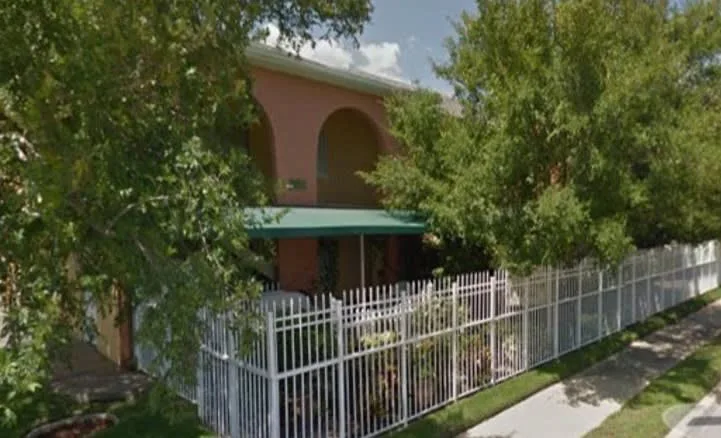
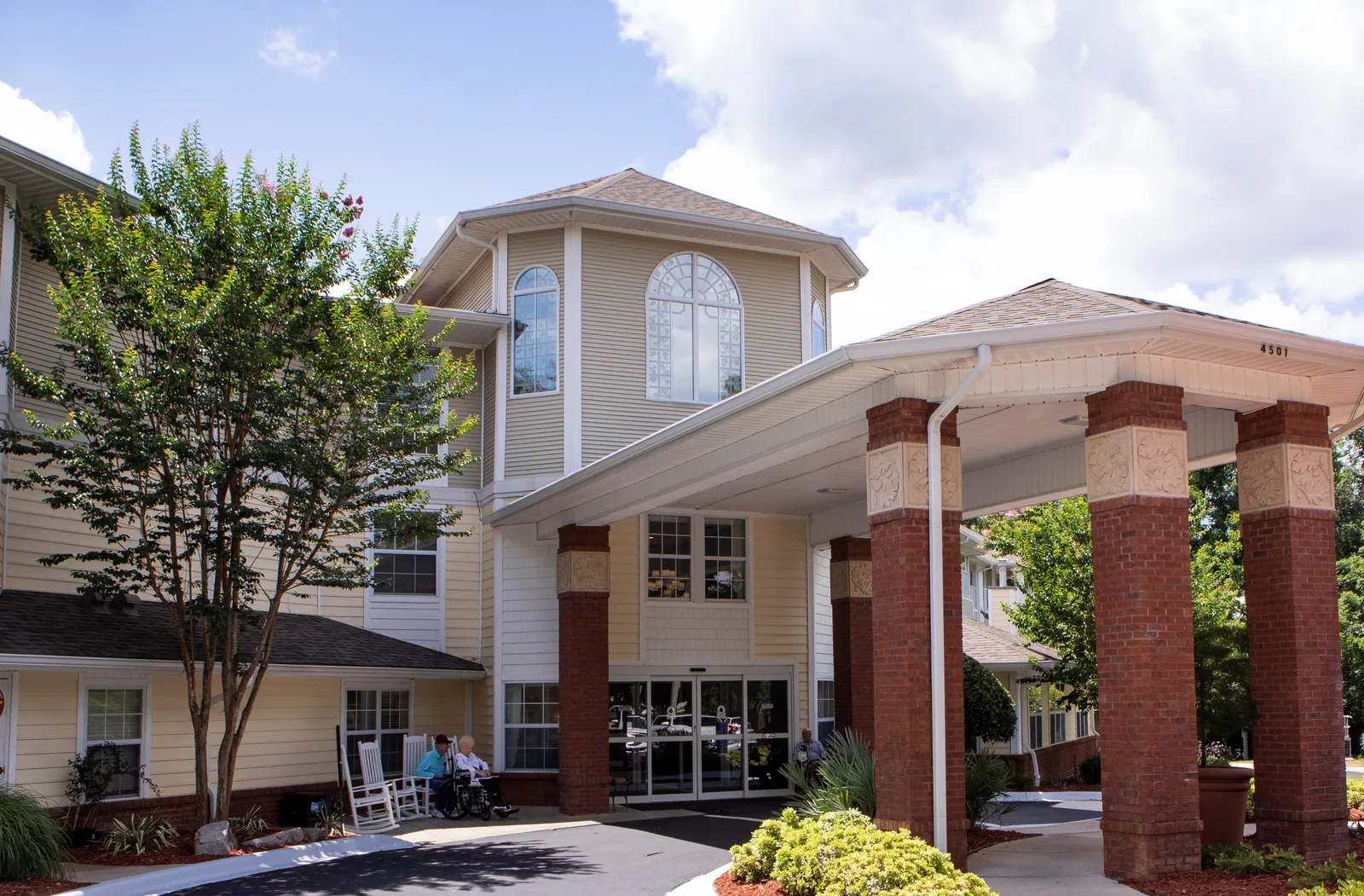
6 bedsBrevard CountyActive licenseAssistive Care ServicesAHCA licensedFor-ProfitSpeech TherapyOccupational Therapy
6 deficiencies
III 4IV 2
Florida has one of the largest assisted living markets in the country, from small family-run ALFs to large campus communities. This page lists licensed assisted living facilities statewide so you can compare location, published starting prices, and AHCA inspection history before you tour. If you are searching for assisted living facilities near you, open a city hub such as Tampa, Miami, Orlando, or Jacksonville, or talk with a licensed advisor at no cost.
Families comparing assisted living facilities in Florida usually weigh daily care help, monthly cost, distance to relatives, and recent inspection history. Assisted living is for people who need help with tasks such as bathing, dressing, or medication reminders, but do not need 24-hour skilled nursing. Many Florida ALFs also operate a memory care neighborhood for residents living with dementia. Coastal metros often price higher than inland and Panhandle cities, so compare all-in estimates, not just base rent. Florida licenses these communities through AHCA. Ask which specialty licenses apply (Extended Congregate Care, Limited Nursing Services, or Limited Mental Health) if you expect care needs to rise. FindRetireHome advisors help Florida families shortlist communities at no cost.
Start on this statewide list, then open a city page such as Tampa, Miami, Orlando, or Jacksonville to see communities closer to family. Each listing includes address, care type, and a deficiencies page when AHCA records exist. A licensed advisor can also shortlist openings near a specific ZIP code at no cost.
Published starting prices vary by metro, room type, and care hours. Coastal South Florida often runs higher than inland or Panhandle markets. Ask every community for an all-in monthly estimate that includes care fees, community fees, and deposits, not just the advertised base rate. See our Florida cost guide for metro comparisons.
Assisted living helps with daily tasks such as bathing, medication reminders, and meals in a licensed ALF. Memory care is usually a secured neighborhood inside an ALF with dementia-trained staff and a structured day. Some campuses offer both so a resident can move internally if needs change.
Every assisted living facility holds a Standard AHCA license. Some add Extended Congregate Care, Limited Nursing Services, or Limited Mental Health. Those extras affect who can be admitted and how long a resident can stay if medical needs increase. Confirm licenses before you tour.
Open the Deficiencies link on a community page. We publish Class 1 through Class 4 findings from AHCA (and CMS for nursing homes) with dates and counts. Use that record with an in-person tour. A clean file is useful; it does not replace meeting staff and residents.
Statewide Medicaid Managed Care Long-Term Care uses a frailty-based priority score, not first come first served. Call the Elder Helpline at 1-800-96-ELDER to start screening, and ask which communities accept the waiver. Our Medicaid waitlist guide walks through ranks, DCF financial review, and what to do if nights at home are already unsafe.
Medicare may cover a qualifying short skilled-nursing stay after an inpatient hospital admission. It does not pay ongoing assisted living. Shortlist ALFs and start AHCA Form 1823 before the Notice of Medicare Non-Coverage. See our guide on what to do when Medicare rehab ends.
Rarely once you price awake overnight coverage. A live-in aide who sleeps is not the same as rotating 24-hour shifts. Compare that stack to an all-in ALF quote. Our 24-hour home care guide walks through the math.
Often yes when the person is stable and the community can follow weight, fluid, and medication orders. Unstable flares or daily skilled nursing usually belong in a hospital or nursing home first. See our heart failure assisted living guide for tour questions.
Florida law generally requires at least 45 days of written notice before a non-emergency relocation or residency termination. Reasons must be in writing, and the notice should point to the Long-Term Care Ombudsman. Read our 45-day discharge guide the same week the letter arrives.
It is the Resident Health Assessment a physician, physician assistant, or APRN completes so an ALF can decide whether it can admit someone. Missing or stale forms are the usual reason a same-week move slips. See our Form 1823 guide for timing and who can sign.
State rules allow more than one person to help with a transfer. Many communities still refuse it as a staffing policy. Ask about nights, mechanical lifts, and extra fees. Our two-person transfer guide covers when a nursing home is the more honest setting.
Toileting help is a normal ALF task. Briefs, frequent night changes, and higher care tiers are often billed on top of the starting rent. Read our incontinence care guide before you treat the advertised rate as the bill.
Usually not in a standard license if staff must assist with tube feeding. Hospice or some Extended Congregate Care settings can change that. Confirm with the administrator, then read our PEG and feeding-tube guide.
Yes, with a lawful signer, a current Form 1823, and a community that will admit the care level. Video tours help, but still use a local visit or a free advisor before you deposit. See our out-of-state family guide.
Often yes. Emptying the bag is ordinary personal care. Changing the catheter is nursing. Ask whether the community nurse, a Limited Nursing Services license, or a home-health nurse handles it. Our Foley catheter guide lists the tour questions.
Often yes when treatment is outpatient and the person still meets ALF admission rules between visits. Do not assume the building can run IVs. Read our chemo and radiation guide, then confirm transportation and fever protocols.
Usually yes if the resident still meets admission rules and follows the community's third-party policy. Extra hours do not override 24-hour nursing or tube-feeding limits. See our private-duty nurse guide.
No. Medicare can send intermittent skilled visits to the ALF apartment when the person is homebound and qualifies. It does not pay room and board. Our Medicare home-health guide explains the split.
Usually not if staff must manage the trach or suction the airway. A self-care long-term trach or a hospice plan is a narrower door. Read our tracheostomy and suctioning guide, then confirm the license with the administrator.
Usually not on a standard license. Extended Congregate Care or Limited Nursing Services communities may, when it is on Form 1823 and a licensed nurse will run the line. See our PICC and IV antibiotics guide.
Often yes when the ostomy is established and staff only need to empty or change the appliance. A new surgical ostomy or skilled wound care around the stoma can still fail admission. Our ostomy guide lists the tour questions.
Only if the community has a lift that fits the person's weight and trained night staff. Many communities also post a bariatric weight limit. Read our Hoyer and bariatric admission guide before you tour.
Stage 3 or 4 pressure sores generally cannot stay in a Florida ALF. A stage 2 sore may be allowed with extra nursing and a 30-day improvement clock. Wound vacs are usually a nursing-home question. Read our pressure sore and wound-care guide.
Usually no as a new admission unless hospice is already in place. A resident who becomes bedridden after move-in may stay about 7 days, or 14 days in an Extended Congregate Care community. Our bedridden guide explains the clock.
Not from one bad night. UTI confusion is often delirium that can improve. Stay in rehab if skilled nursing is still required. Choose a secured neighborhood only if nights or wandering were already unsafe. See our UTI delirium guide.
Often yes when seizures are controlled and staff know the 911 and rescue-medication plan. Uncontrolled clusters or 24-hour nursing usually belong in a hospital or nursing home first. Read our seizures and epilepsy guide.
Usually not on a standard license if staff must perform exchanges in the building. Clinic transport is the more common ALF path. Our peritoneal dialysis guide covers when Limited Nursing Services, ECC, or a nursing home is the honest setting.
Usually yes. Florida rules generally allow CPAP and BiPAP even where other artificial airways are blocked. Ask about night mask help and generator coverage. See our CPAP and BiPAP guide and hurricane checklist.
Generally no while the vacuum device is still required. A stabilized surgical incision with a plan of care is a different question. Read our wound VAC guide, then compare nursing homes if the device stays.
Often yes if the resident manages the pump independently, or a nurse handles site changes. Unlicensed staff may bring a prefilled insulin pen and help with a glucometer. They generally may not program a pump. Read our insulin pump and CGM guide.
Usually after residual-limb care and first transfers are done in rehab. The tour is the bathroom, night staff, and whether a two-person transfer or lift is real. See our amputation, wheelchair, and two-person transfer guides.
It is required when a community serves one or more statutory mental health residents, a defined SSI or SSDI plus OSS group. It is not memory care and not a general psychiatry license. Our LMH guide explains who counts.
Sometimes, once the receiving facility says the person is stable and the administrator agrees. A Baker Act stay is not an automatic ALF admission. Read our Baker Act discharge guide, then confirm Form 1823 and who can sign.
Usually after a short skilled rehab stay, not the day after surgery. A Florida ALF fits when the person is medically stable and nights or stairs at home are still unsafe. Read our knee-replacement guide before you deposit.
Sometimes sooner than after open-chest surgery, once the access site or pocket is stable and staff will cue arm limits. Unstable rhythm or daily skilled nursing still belongs in rehab first. Read our TAVR and pacemaker guide.
Sometimes in an earlier stage when transfers and medications match the license. A standard ALF generally cannot keep staff-run tube feeding, staff-managed airway care, or 24-hour nursing. Our ALS guide covers when a nursing home is the honest next step.
Usually after a short skilled rehab stay, not the day after surgery. Ask about chair height and whether staff will cue no-bend and no-twist rules. Read our spinal-fusion guide, then the hip and knee pages if those surgeries are also in play.
Sometimes once oxygen and swallowing are stable. Meal supervision and a written swallow plan matter more than the courtyard. If suctioning or a feeding tube is still required, start on the nursing-home hub. See our pneumonia and aspiration guide.
Sometimes once medical stability, behavior, and transfers match the ALF license. Many people need a skilled stay or a specialized brain-injury program first. Read our TBI and concussion guide, then confirm Form 1823 and any seizure plan.
Sometimes in an earlier stage when transfers, meals, and medications match the license. A standard ALF generally cannot keep 24-hour nursing or staff-run tube feeding. Our Huntington's guide covers when memory care or a nursing home is the honest next step.
Often yes when the remaining help is dressing, morning stiffness, and medications. After a joint replacement, finish skilled rehab first. Read our rheumatoid arthritis guide, then the hip and knee pages if those surgeries are also in play.
Often yes when fatigue, meals, and a concentrator match a community that already keeps oxygen residents. High-flow oxygen or daily skilled nursing still belongs in rehab first. See our long COVID and oxygen guide, then the COPD page for generator questions.
Yes. Licensed senior living advisors help families compare assisted living facilities across Florida at no cost to you.
Talk with a licensed senior living advisor at no cost. We match families to communities that fit care needs, budget, and timeline.